





Quick Answer: Book a residential gas line inspection at least once a year for most homes, ideally in fall (pre-winter) before the heating season, because gas appliances run more and small issues can become dangerous fast. Schedule a residential gas line inspection sooner if you notice a rotten egg smell / sulfur odor, hissing or whistling sounds, yellow flame vs blue flame changes, or unexplained higher gas bills / unexplained increase. You should also book a residential gas line inspection after home renovations, after earthquakes, foundation shifts, or after severe storms that may disturb piping. If you’ve recently moved, or you’re before buying or selling a home, an inspection provides safety assurance and documentation. When in doubt, treat it as safety-first maintenance.
What a Residential Gas Line Inspection Actually Covers
A residential gas line inspection is a detailed, safety-focused professional inspection of your home’s gas delivery system performed by a trained professional typically licensed plumbers, HVAC technicians, or gas line specialists who are certified professionals. The goal is to identify safety issues early, confirm safe operation, and reduce risks like fire hazard and explosion risk.
During an inspection, technicians review the entire pathway of gas through the home including the main gas line, branch lines, and all piping that feeds your appliances. They examine connectors and valves, valves and shutoffs, joints and connections, and regulators for signs of leaks, wear, or improper installation.
If you want to go deeper on pipeline conditions, see identify corrosion in gas pipelines for the warning patterns that often show up before leaks.
How Often Should You Schedule It? (The Real-World Rule)
Most homeowners should plan on a residential gas line inspection every 12 months. That yearly rhythm catches corrosion, loose connections, or small seepage before it becomes urgent. This is why many pros describe an annual appointment as a baseline, similar to other home-safety checks.
That said, inspection timing isn’t one-size-fits-all. The right schedule depends on your home age, pipe materials, and events that may have disturbed lines.
A Simple Frequency Guide You Can Follow
- Once a year for most homes (best baseline).
- Sooner than yearly if the home is older, has a long run of piping, or you rely heavily on gas appliances.
- Immediately if you detect a leak signal or experience health symptoms.
Tip: If you can’t remember your last inspection date, assume it’s overdue. A missed year is common and easily corrected.
When to Book Immediately (Don’t Wait)
Some signs are too risky to “watch and see.” Book a residential gas line inspection urgently if any of the following show up:
- rotten egg smell / sulfur odor indoors or near the meter
- hissing or whistling sounds near a pipe run, appliance, or shutoff
- dizziness / headaches / nausea that improves when you leave the house
- dead vegetation / dead patches of grass along a buried line route
- A sudden spike in higher gas bills / unexplained increase
- Burner flames shifting to yellow flame vs blue flame patterns
- pilot light keeps going out unexpectedly
These signals matter because gas issues can be odorless / invisible gas in certain conditions, or the smell may be faint and intermittent. A small leak can still create dangerous accumulation and carbon monoxide risk.
These are classic warning signs of gas line deterioration and they’re worth treating seriously, even if they seem minor.
Best Time of Year to Schedule (And Why Fall Wins)
If you want the most practical timing, schedule your yearly residential gas line inspection in fall (pre-winter) before the heating season. That’s when furnaces, water heaters, and fireplaces tend to be used more, and the inspection helps you start winter with confidence.
That doesn’t mean “only fall.” The right time is also:
- when you can be home for access (inspectors often need you present)
- before heavy appliance use increases
- after any event that may have moved or stressed piping
Quick fix: Put a recurring reminder in your phone for early fall. The difference between “intending to do it” and “actually doing it” is usually one calendar alert.
After These Events, Schedule an Extra Inspection
Many competitors mention annual frequency but skip practical “event triggers” homeowners face. Use these real-life triggers to decide whether you need a check sooner than yearly:
Post-Event Triggers
- after home renovations that involved walls, floors, cabinetry, or appliances
- after earthquakes (even small ones can shift connections)
- foundation shifts or new cracks that suggest structural movement
- after severe storms or flooding that may affect outdoor lines
- Appliance swaps (new stove, dryer, or water heater hookup changes)
- Any time you suspect something “bumped” or stressed a gas connector
These events can stress joints and connections, especially around appliance hookups and shutoffs.
What Inspectors Do During a Residential Gas Line Inspection
A thorough inspection includes both observation and testing. Expect the technician to inspect visible piping and verify safe operation and installation around each appliance.
Common Steps Pros Follow
- check visible runs for damage, corrosion, and wear
- confirm fittings, connectors, and shutoffs operate correctly
- review appliance hookups and venting basics (especially heating equipment)
- test for leaks using approved detection methods
Where appropriate, they may run:
- pressure testing to confirm the system can hold pressure safely
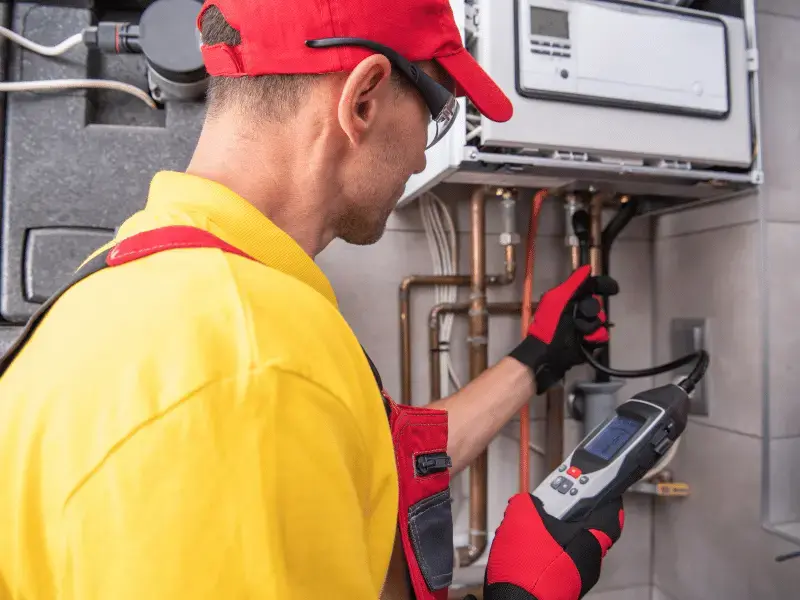
- checks with electronic gas detectors to locate trace leaks
- a soap and water solution (bubble test) at accessible joints (where safe/appropriate)
The best outcome of a residential gas line inspection is a clear plan: what’s fine, what needs attention, and what needs immediate repair documented for your records.
Inspection Frequency Based on Home Conditions
Home Situation | Suggested Schedule | Why |
Typical home with modern piping | Yearly | Baseline safety + preventive maintenance |
Older home or uncertain pipe history | Yearly + extra after events | Wear can hide until it becomes urgent |
Multiple gas appliances (furnace, stove, dryer, water heater) | Yearly, timed pre-winter | More usage = more exposure to failure points |
Recent renovation or appliance relocation | Immediately after work | Movement can affect fittings and connectors |
Post earthquake / foundation movement | ASAP | Shifts can stress joints and connections |
What Systems and Appliances Must Be Checked
A complete residential gas line inspection includes the distribution system and every connected appliance. Inspectors typically verify:
- the main gas line route and accessible segments
- branch lines to each appliance
- connectors and valves, valves and shutoffs, regulators
- gas-fired appliances including furnace, water heater, stove / gas range, dryers, and fireplace inserts
Tip: Tell the technician about any appliance that’s been “acting weird,” even if it works sometimes. Intermittent symptoms often align with small leaks or connection issues.
What You’ll Receive After the Inspection (And Why It Matters)
A proper inspection should end with a detailed report, not just “you’re good.” This report may include notes on:
- leak test results and pressure stability
- any corrosion, loose fittings, or replacement recommendations
- safety observations and appliance connection notes
- confirmation of compliance checks as applicable
Keeping the report is more useful than most homeowners realize. It supports:
- maintenance history
- smoother insurance discussions
- resale documentation (especially if you’re before buying or selling a home)
Quick fix: Create a folder labeled “Gas line inspection reports” (digital or paper). Save each report by date.
Code Compliance and Gas Line Inspection Requirements
Depending on your city and situation, gas line inspection requirements can come into play especially with remodels, appliance additions, and property transfers. Many areas enforce code compliance through local laws and regulations and safety codes to reduce risks of accidents. Ignoring requirements can create headaches, including fines / legal trouble during inspections, permitting, or sales.
Even when not mandated, following a consistent residential gas line inspection schedule is a practical way to keep your home safer and reduce surprises.
Energy Efficiency Benefits (Not Just Safety)
Safety is the headline, but inspections can improve performance too. Leaks, small restrictions, and appliance misalignment can cause appliances to run inefficiently and drive up costs. When your system is in good shape, you’re more likely to see stable fuel use and fewer spikes in bills.
If you’ve had a recent higher gas bills / unexplained increase with no lifestyle change, an inspection is one of the quickest ways to rule out system loss.
A Practical Gas Line Inspection Checklist You Can Use
You shouldn’t DIY repair or testing, but you can prepare smartly and document symptoms. Use this gas line inspection checklist before the appointment so the technician can work faster and more accurately:
- Write down any odor events and where they occurred
- Note any hissing or whistling sounds and when you heard them
- Record appliance issues: slow heat, ignition problems, pilot outages
- Review whether you’ve had home renovations, storms, or movement events
- Make sure access is clear to appliances and shutoff areas
If inspection finds a repair need, look for affordable gas line repair technicians who prioritize safety and code-correct work.
Gas Safety Check Habits Between Annual Inspections
Even if you schedule your residential gas line inspection yearly, it helps to build small habits that keep you aware of changes.
Homeowner Safety Habits
- Know where your main shutoff is and keep it accessible
- Install CO alarms and test them (especially near sleeping areas)
- Keep appliance areas clear (don’t store chemicals or clutter around burners)
- Watch for recurring symptoms: odor, sound, flame color changes
- Avoid digging where gas lines may run; call for utility marking if needed
These habits aren’t a replacement for a professional check, but they reduce blind spots.
How Long Does a Residential Inspection Take?
Most inspections take 30 to 60 minutes, depending on home size and how many appliances are connected. Larger homes with multiple branch runs and several appliances may take longer, especially if testing is required across more connection points.
Plan to be home: technicians often need full access and may ask questions about symptoms, changes, and recent work.
Why Choosing the Right Plumbing Team Matters
When it comes to a residential gas line inspection, experience and licensing matter more than price alone. Gas systems involve safety codes, pressure stability, appliance compatibility, and leak detection accuracy. Choosing the best plumbing company means working with professionals who understand compliance, testing procedures, and documentation standards, not just surface-level checks.
A qualified team ensures:
- Proper pressure verification
- Thorough review of joints and shutoffs
- Accurate reporting and safety recommendations
- Clear next steps if repairs are needed
This level of expertise protects your home, your family, and your long-term property value.
What “Home Gas Line Inspection” Means for New Homeowners
If you’ve recently moved, a home gas line inspection is one of the smartest early maintenance steps. You don’t always know:
- how old the piping is
- whether appliances were installed correctly
- whether previous owners had recurring issues
- whether the system was ever pressure-tested after modifications
If you’re buying or selling, a current inspection record can reduce friction and build confidence.
“Book Now” vs “Book Later” Decision Guide
Situation | Book a Residential Gas Line Inspection When? | Why |
It’s been 12+ months | Now | Yearly baseline reduces risk |
You smell sulfur/rotten eggs | Immediately | Potential leak + fire/explosion risk |
You hear hissing/whistling | Immediately | Pressurized escape hazard |
Bills jump without explanation | Soon | Leak or efficiency loss possibility |
After renovations or appliance move | ASAP | Connections may have shifted |
After quake/storm/foundation movement | ASAP | Stress on joints and connections |
Schedule Your Residential Gas Line Inspection Today
If it’s been more than a year since your last residential gas line inspection, or you’ve noticed warning signs like odor, hissing sounds, or rising gas bills, now is the right time to act.
Gas systems are not something to delay. A proactive inspection today can prevent costly damage, fire hazards, or dangerous leaks tomorrow.
Protect Your Home With Trusted Professionals
New Pro Plumbing is ready to help you stay safe and compliant with expert gas line inspections and repairs.
📞 Call New Pro Plumbing at 3106637666
Book your inspection today and enjoy peace of mind knowing your gas system is operating safely and efficiently.
FAQs About Residential Gas Line Inspections
Most homes should book a residential gas line inspection once a year, ideally before the heating season in fall.
Rotten egg smell / sulfur odor, hissing or whistling sounds, yellow flame vs blue flame changes, sudden bill increases, or sickness symptoms like dizziness / headaches / nausea.
A review of the gas delivery system including main gas line, branch lines, fittings and shutoffs, plus checks of gas appliances and leak testing.
You should not attempt repairs or risky testing; if you suspect a leak, leave the home and call the utility or a licensed professional.
Yes fixing small leaks, restrictions, or appliance issues can stabilize usage and reduce avoidable fuel loss.
Typically 30–60 minutes, depending on home size and appliance count.