




You are about to spend $1.2 million on a house in Mar Vista. The general inspector spent four hours combing through the property, checking the roof, electrical, foundation, HVAC, and every visible piece of plumbing. And almost none of them looked underground at the sewer line that runs from the house to the street. In Los Angeles, where many homes still have original 1940s clay or 1960s cast iron sewer lines, that gap in the inspection process is the single most common source of post-closing surprises that cost new owners $10,000 to $25,000. Here is why a sewer camera inspection should be a standard part of every LA home purchase and how to use one effectively.
What a Standard Home Inspection Misses
Most general home inspections in California include the visible plumbing inside the home: fixtures, supply lines, drains under sinks, water heater, and visible piping in the basement or crawlspace. What they do not include is the underground sewer lateral that carries waste from the house to the city sewer connection.
That underground line is your responsibility as the new homeowner from the day you close. If it fails next year, the bill is yours. And in Los Angeles, depending on the age and material of the line, the bill can run anywhere from $1,800 for a spot repair to $25,000 or more for a full replacement under a mature front yard. We covered the full pricing breakdown in our sewer line repair cost guide.
A sewer camera inspection adds $300 to $500 to your inspection cost and gives you a complete picture of the one piece of the home most likely to bankrupt you in year two.
Why LA Homes Are Especially Vulnerable
The housing stock in Los Angeles is older than in most American cities. Large numbers of homes in Mar Vista, Cheviot Hills, Marina del Rey, Palms, and Venice were built between 1925 and 1965, which means many still have:
Original clay sewer pipe, which lasts 50 to 60 years on average. Many of these lines are now 70 to 100 years old and well past expected service life.
Cast iron sewer pipe, common from 1950 to 1980, which corrodes from the inside out and is now reaching end of life in many homes.
Orangeburg pipe, used widely from 1945 to 1972, with a 30 to 50 year service life. Any home still on Orangeburg is essentially guaranteed to need full replacement.
Mature trees within 30 feet of the sewer line, which is the rule rather than the exception in established LA neighborhoods. Root intrusion is the leading cause of sewer failure in older homes.
If you are buying a home built before 1980, the sewer line is the part of the property most likely to need expensive work in the first 5 years. A camera inspection tells you in advance whether you are walking into that situation.
What the Camera Actually Shows
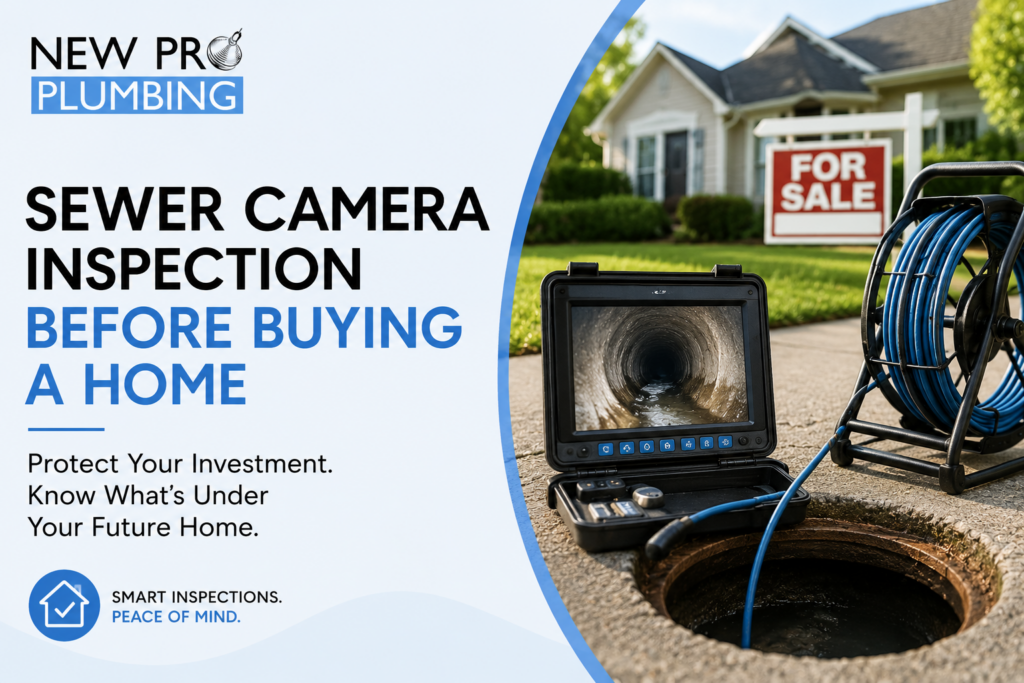
During a pre-purchase inspection, a licensed plumber feeds a high-definition video camera into the sewer line through an accessible cleanout. The camera transmits live video to a monitor on the surface and records the entire run from the foundation to the city tap.
What the buyer and their agent see in real time:
- The material of the existing pipe (clay, cast iron, Orangeburg, PVC, or ABS)
- The condition of the joints and how watertight they appear
- Any root intrusion at joints or breaks
- Cracks, fractures, or offset sections from soil movement
- Bellies (low spots where waste collects)
- Scale, grease, or mineral buildup that has narrowed the pipe
- Foreign objects flushed down toilets
- Pipe material transitions where old clay meets newer PVC, a common failure point
- The condition of the city connection at the curb
After the inspection, the plumber provides a written report and a digital video file you can keep on hand for negotiation, future reference, or insurance purposes.
How to Use the Results in Negotiation
This is where the inspection actually pays for itself. There are three main outcomes:
Clean Inspection
The line is in good shape, no significant issues, and you can close with confidence. The $400 you spent on the inspection bought you the peace of mind that the biggest single hidden risk in the property is not actually a risk.
Minor Issues Found
The camera shows root intrusion, scale buildup, or minor cracks that need attention but not full replacement. Typical negotiation moves here include:
- Asking the seller to credit you a portion of the expected repair cost at closing
- Asking the seller to complete the repair before closing with a contractor of your choice
- Reducing your offer by the estimated repair amount
A clean estimate from a licensed plumber gives you concrete numbers to negotiate with, rather than a hand-wave at “the sewer might need work someday.”
Major Issues Found
The camera shows collapsed sections, Orangeburg pipe, multiple bellies, or other conditions that indicate full replacement is needed soon. At a $10,000 to $25,000 cost, this is a material issue that should change the deal terms. Options include:
- Requesting a price reduction equal to the replacement cost
- Requiring the seller to replace the line before closing
- Walking away from the purchase if the seller will not negotiate
In a balanced or buyer-favorable market, sellers generally accommodate reasonable requests backed by documented inspection findings. The California Department of Real Estate publishes consumer guides on disclosure obligations and negotiation rights that are worth reviewing before going into talks.
Timing the Inspection
The sewer camera inspection should happen during your standard inspection contingency period, which is typically 7 to 17 days in California depending on the contract. We recommend scheduling it within the first few days of the contingency window so you have time to:
- Receive the written report and video
- Get repair estimates if issues are found
- Negotiate with the seller
- Make an informed decision before contingency removal
Most reputable plumbers in Los Angeles can complete a pre-purchase camera inspection within 24 to 48 hours of scheduling, with the written report available the same day or the next business day.
What If There Is No Cleanout?
Some older Los Angeles homes do not have an accessible exterior sewer cleanout, which complicates the inspection. In those cases, the plumber typically pulls a first-floor toilet to access the line, which adds about $100 to $200 to the inspection cost. The seller usually permits this for a serious buyer, and the toilet is reinstalled at the end.
If the seller refuses to allow access for a camera inspection, that itself is informative. A seller with nothing to hide generally has no problem with the inspection.
What the Inspection Does Not Cover
A camera inspection is focused on the sewer lateral. It does not include:
- The water supply line (a separate inspection if you suspect issues)
- Interior drain lines between fixtures and the main stack
- The city’s portion of the sewer beyond the property line
- Gas line condition (which can be inspected separately by a licensed plumber)
For a complete plumbing picture, ask about pricing a full plumbing inspection that covers supply lines, gas lines, and the sewer in one visit. The U.S. Department of Housing and Urban Development publishes general guidance on what home inspections cover that helps buyers understand the scope of each inspection type.
Frequently Asked Questions
Is a sewer camera inspection worth it on a newer home?
Yes, even on homes built since 2000. While newer PVC lines are dramatically more reliable than older materials, installation defects, bellies from soil settling, and damage from later landscaping work can still create issues. The cost is small relative to the protection it provides.
Who pays for the sewer camera inspection?
In standard California real estate practice, the buyer pays for inspections during their contingency period. If significant issues are found, the cost is typically recouped through negotiated price reduction or credits.
Can I share the inspection report with my agent and seller?
Yes. The report and video are your property. Sharing them with the seller is often necessary to support a negotiation request.
How long does the inspection take?
Most pre-purchase inspections run 45 to 90 minutes from arrival to walkthrough of findings. The report is typically delivered the same day.
What if the seller already had an inspection?
You can ask to see it, but you should still get your own. Inspections paid for by the seller can be selectively shared or interpreted, and there is no substitute for having a licensed plumber walk you and your agent through the live video personally.
Schedule a Pre-Purchase Inspection
If you are in escrow on a Los Angeles home or planning to write an offer soon, contact New Pro Plumbing to schedule a pre-purchase sewer camera inspection. Same-day and next-day appointments are usually available, with written reports delivered before contingency removal deadlines.